
Ceremonial Magic
Ceremonial Magic, often referenced in Western esoteric traditions, is a complex and highly specialized branch of the occult. It involves the ritualistic invocation (bringing a spirit closer) or evocation (manifesting a spirit) of entities traditionally classified as demons, infernal spirits, or entities detailed in grimoires like the Lesser Key of Solomon (particularly the Goetia).
It is crucial to understand that within these traditions, working with these entities is generally viewed as an advanced practice requiring extensive preparation, clear intention, and strict adherence to protective ritual structure.
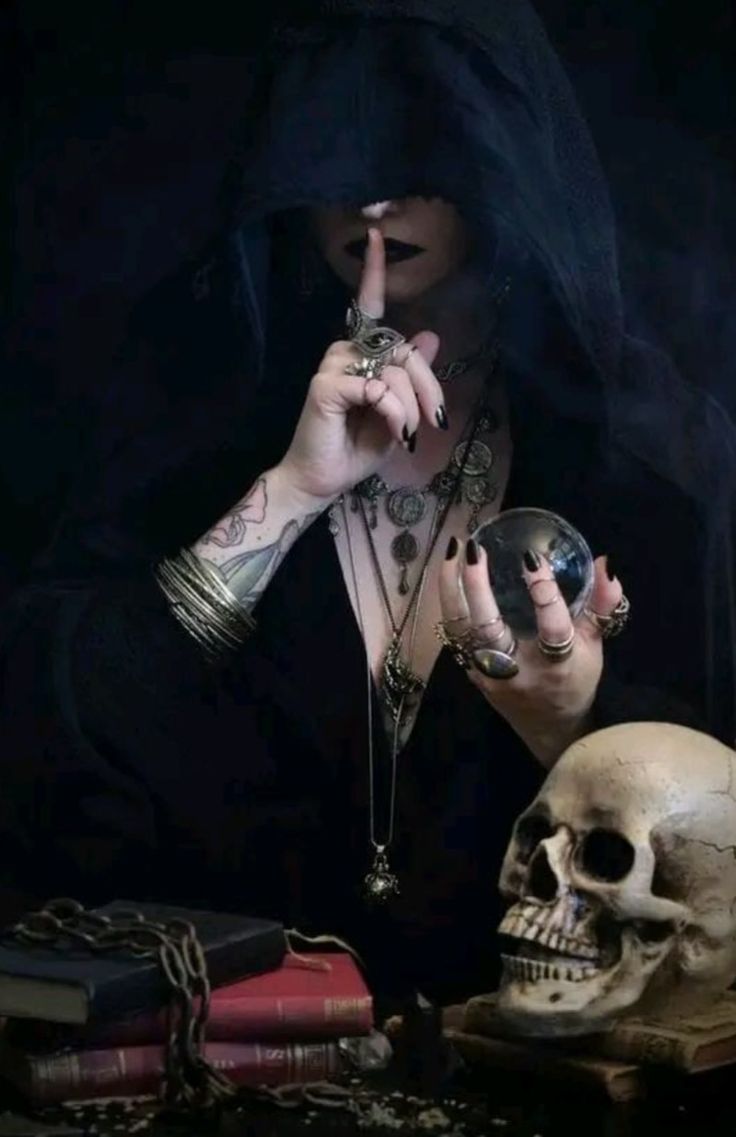
Historical and Esoteric Context
The Goetia: This is perhaps the most famous system, cataloging 72 spirits said to be bound and controlled by King Solomon. Practitioners seek to compel these spirits to perform specific tasks.
Demonolatry: A system that differs from Goetic compulsion, viewing the entities as guides or divinities to be worked with respectfully and consensually for self-development and magical aid.
Focus on Power and Knowledge: The goals of demonic magic are often specific: acquiring forbidden knowledge, gaining power, influencing specific situations, discovering secrets, or achieving material gains (wealth, love, status).
Core Elements of the Practice
The practice relies heavily on ritual precision and specialized tools to manage the interaction:
The Circle and Triangle: The Magic Circle is used for the practitioner’s protection, while the Triangle of Manifestation is used to contain the evoked spirit.
Sigils and Seals: Specific symbols or seals (like those found in the Goetia) are essential for identifying, invoking, and controlling a particular spirit.
Specific Correspondences: Strict attention is paid to planetary hours, moon phases, incense, colors, and offerings believed to be agreeable or appropriate for the specific entity being addressed.